Technical Guide
When Electro-Hydraulic Engine Mounts Fail: Symptoms, Testing, and Replacement Scope

Modern vehicles rely on active engine mounts to isolate cabin vibration across changing engine loads. When the hydraulic circuit or control solenoid degrades, the failure pattern is often misread as a misfire or transmission fault. Accurate diagnosis saves time and prevents unnecessary component replacement.
Recognizing Failure Symptoms
Electro-hydraulic mount failures typically appear as RPM-sensitive vibration rather than constant road noise. At idle, you may notice a rhythmic shake that diminishes when the engine speed rises above approximately 900 RPM. Some drivers report a clunk during light acceleration or deceleration when the mount fails to transition between soft and firm damping modes.
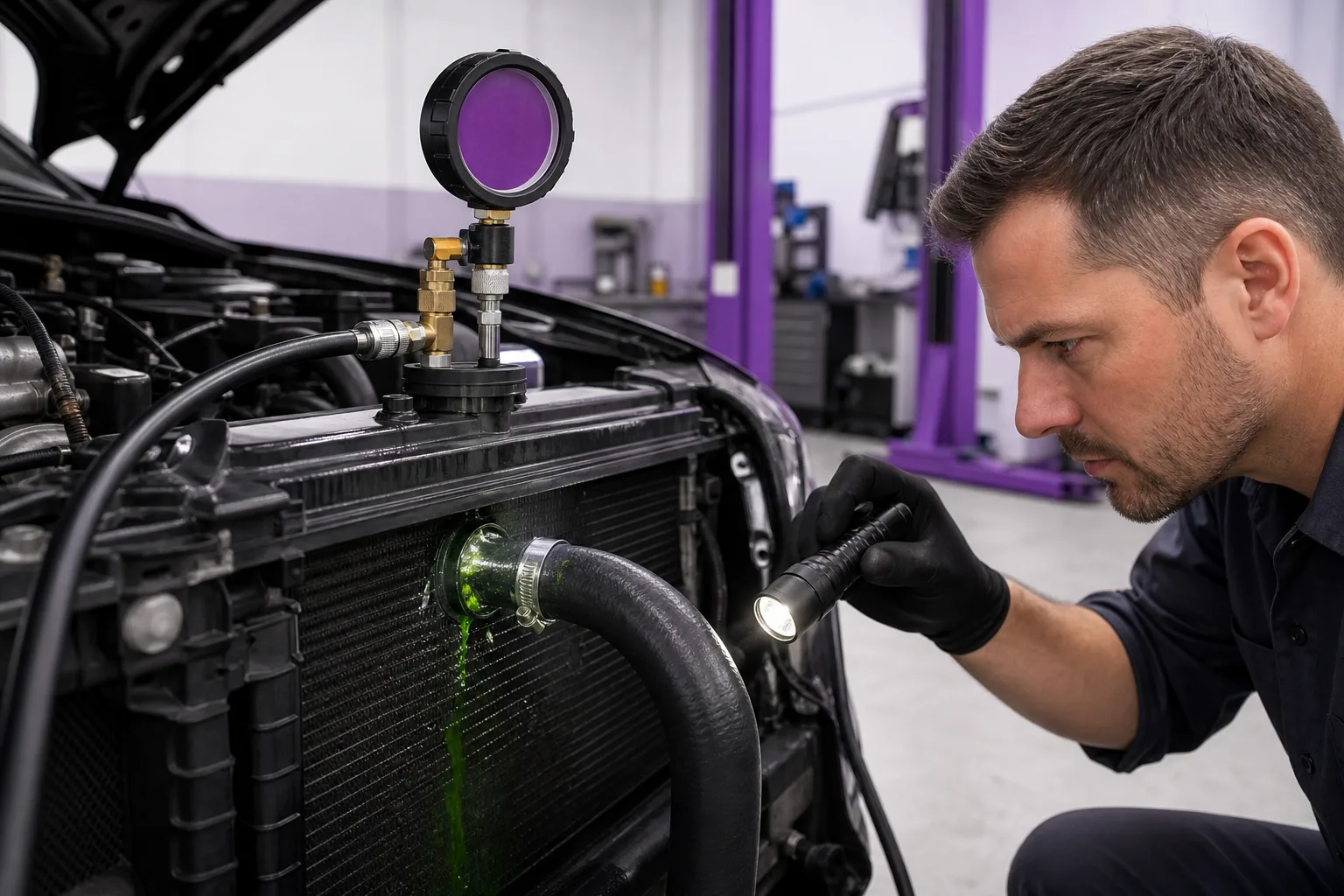
Visual inspection can reveal fluid seepage around the mount body or cracked rubber isolators. However, external appearance alone is unreliable — a mount may look intact while the internal valve no longer responds to ECU commands.
Diagnostic Testing Approach
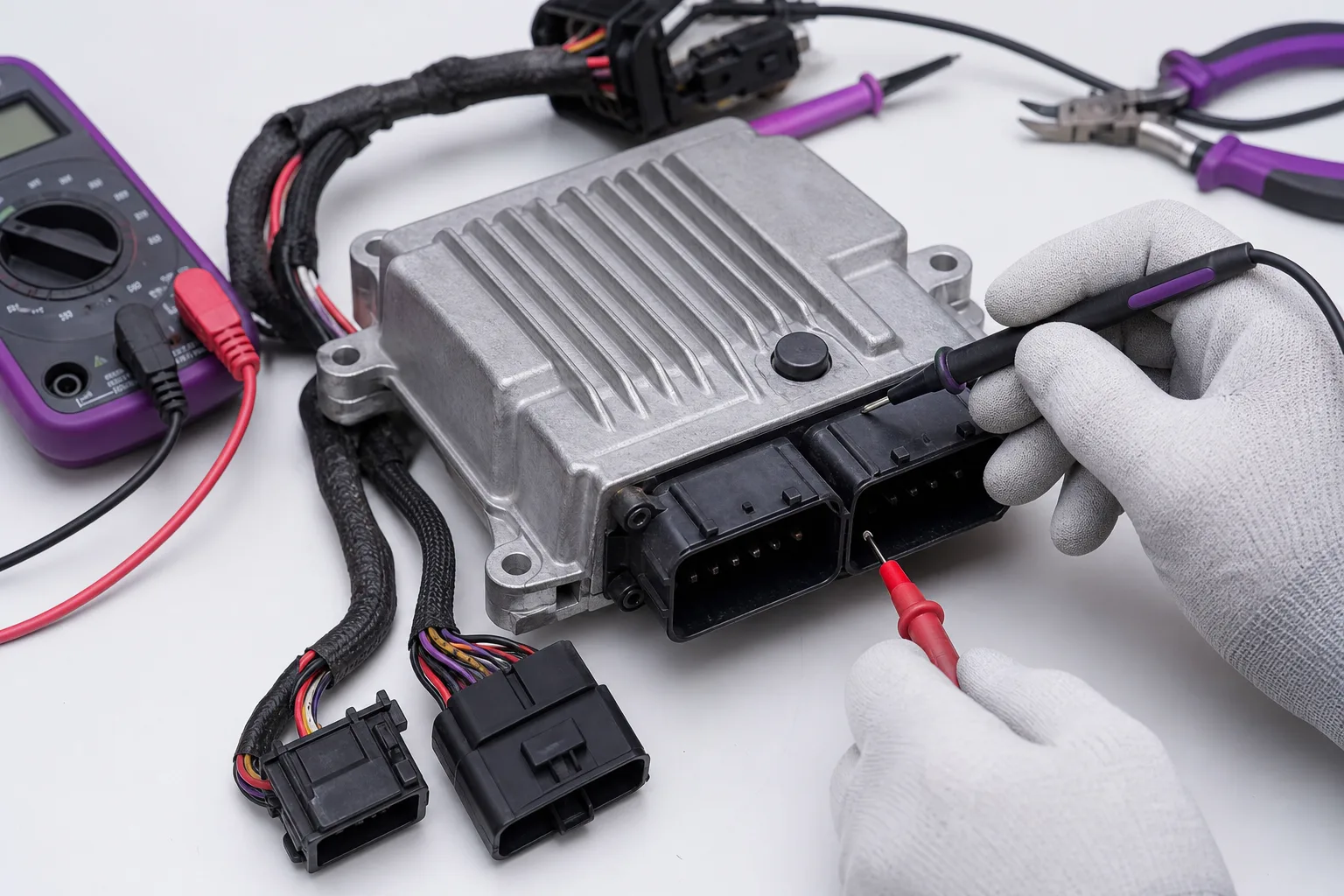
Start with a scan tool capable of reading manufacturer-specific body or powertrain modules. Look for codes related to engine mount control circuits, open solenoid faults, or implausible damping requests. Live data should show the ECU commanding mount stiffness changes when load conditions shift.
Isolation and Load Testing
Apply a light load by shifting into Drive with the brake held, then observe whether vibration intensity changes. Compare left and right mount response if the vehicle uses dual active mounts. A mount that fails to stiffen under load confirms a control or internal seal problem.
Where accessible, use a stethoscope or chassis ear to pinpoint vibration origin. Mount-related noise concentrates at the subframe attachment point rather than inside the bell housing or differential area.
Replacement Scope and Warranty Considerations
Proper replacement includes supporting the engine safely, removing torque-sensitive fasteners in the correct sequence, and transferring any heat shields or wiring brackets to the new unit. After installation, a relearn or calibration procedure may be required so the ECU recognizes the new damping characteristics.
At oligodendro, mount replacements are documented with pre- and post-repair vibration readings where applicable. Written warranty coverage specifies both labor and the installed component, with mileage and duration limits defined before the vehicle leaves the bay.
Preventive Awareness for Owners
Oil contamination from nearby leaks accelerates rubber deterioration on mount assemblies. Addressing minor seepage early reduces the chance of compound failures. Fleet operators should log vibration complaints by vehicle mileage — recurring reports on similar platforms often indicate a batch-related solenoid weakness rather than isolated wear.
If idle quality changes suddenly after battery replacement or ECU reset, verify mount adaptation values before pursuing unrelated drivetrain repairs.