Drivetrain Electronics
Transfer Case Control Module Faults: Diagnosis Beyond the Generic Trouble Code
All-wheel-drive engagement problems are frequently attributed to worn clutches or low fluid, but the control module that commands shift actuators is an equally common failure point. Generic scan codes rarely tell the full story — they indicate a symptom circuit, not the root cause of communication loss.
Symptoms That Point to Module Issues
Delayed engagement when selecting AWD mode, intermittent warning lights, or sudden reversion to two-wheel drive under load suggest electronic control faults. Mechanical wear typically produces consistent grinding or binding, whereas module-related failures often appear temperature-sensitive or random until the circuit degrades further.
Some platforms store communication timeout codes between the transfer case module and the powertrain controller. These should trigger inspection of supply voltage and ground integrity before condemning the module itself.
Voltage Drop and Connector Inspection
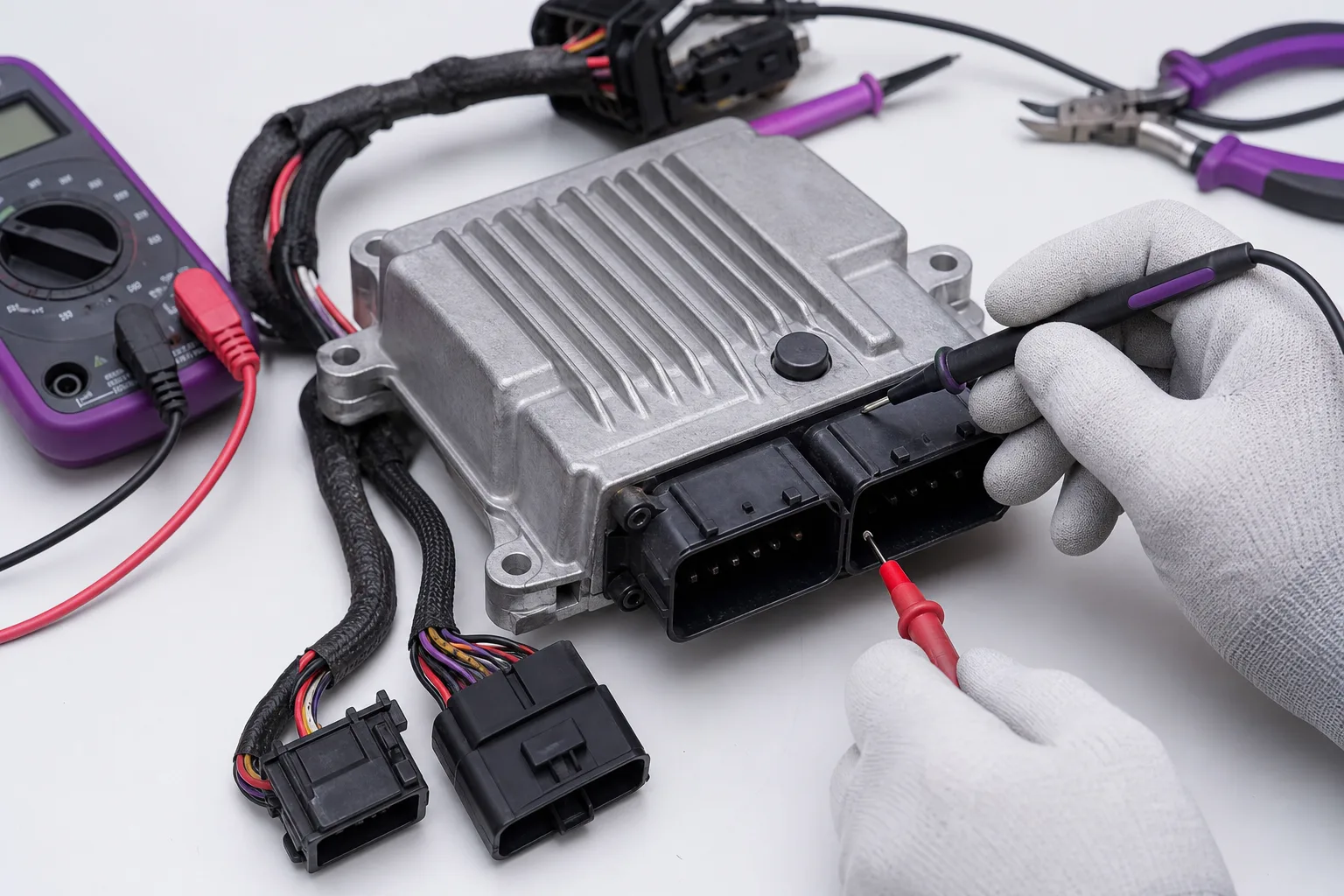
Perform voltage drop tests across power and ground feeds while the actuator commands cycle. Excessive drop under load indicates corroded pins, damaged harness sections, or failing relay drivers inside the module. Visual inspection of connectors for moisture intrusion is critical on vehicles exposed to road salt.
Bench Testing When Removed
If harness integrity checks out, the module may be bench-tested with a calibrated power supply and simulated input signals. Comparing actuator command outputs against manufacturer specifications distinguishes internal board failure from external wiring faults.
Reprogramming Versus Replacement
Some faults resolve through software updates or module reprogramming after a battery voltage event. Others require hardware replacement when internal driver circuits overheat. Reprogramming a used module to a different VIN is not always supported — verify compatibility before purchasing aftermarket units.
At oligodendro, we document whether a module was flashed, replaced, or repaired at the board level. Warranty terms differ: reprogramming events may carry shorter coverage than a new OEM module installed with updated connector seals.
Fleet and Commercial Considerations
Commercial platforms with frequent load changes stress shift actuators and module drivers alike. Logging engagement delay intervals helps predict failure before complete AWD loss during critical operations. Preventive connector cleaning and dielectric grease application extend module lifespan in harsh operating environments.